
Spiral Series: The Cavity-Backed Spiral
June 2025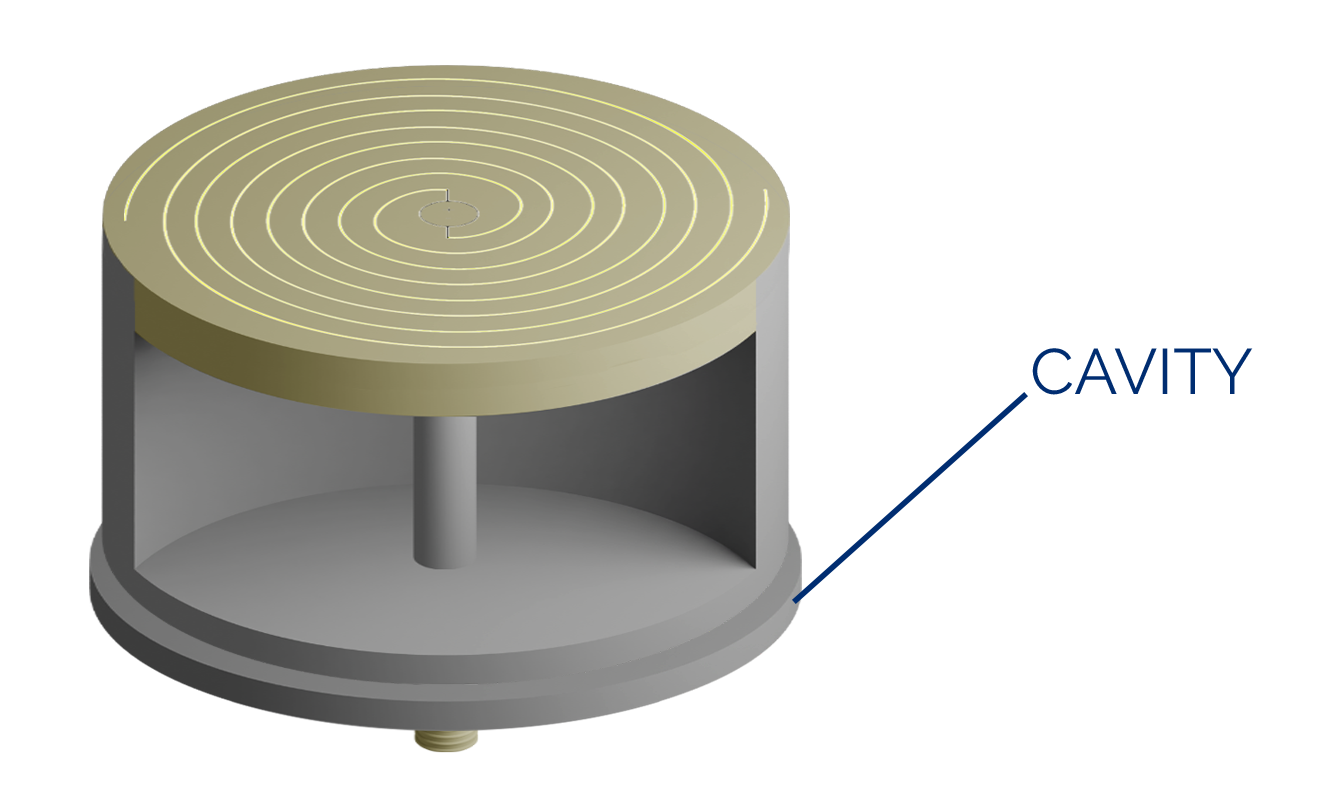
Spiral Series: The Cavity-Backed Spiral
Spiral antennas are frequency independent antennas with some practical performance limits.
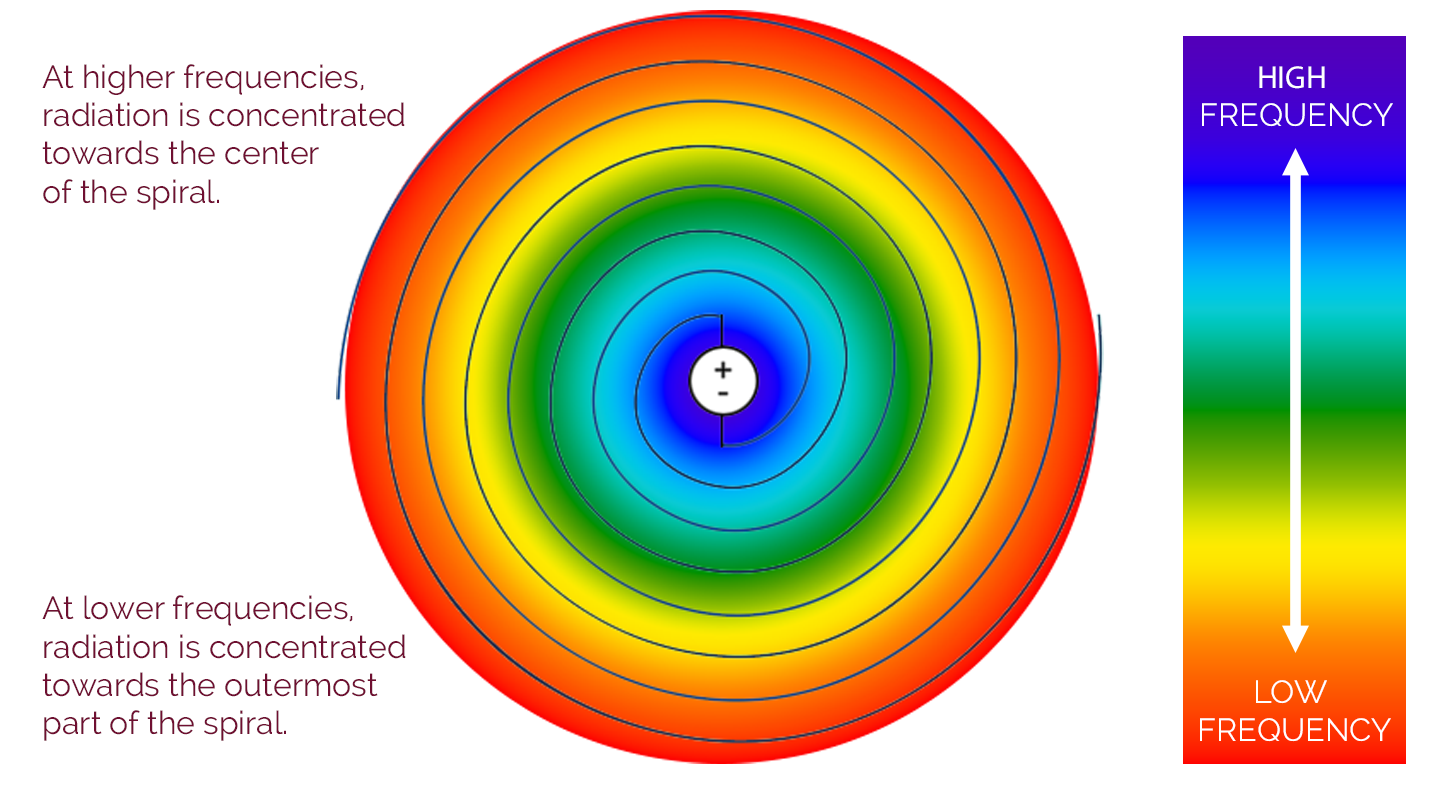
In a previous post, we introduced the spiral antenna as inherently circularly-polarized frequency-independent antenna which, as the name suggests, features spiral-patterned conductive elements. Spirals are considered frequency-independent antennas, mostly because their characteristics like polarization, radiation pattern, and impedance remain relatively constant over a broad range of frequencies. While frequency-independent antennas theoretically have no bandwidth limitations, a spiral antenna’s bandwidth is limited in the sense that they generally perform better at higher frequencies. At lower frequencies, the antenna’s radiation is concentrated at the outermost part of the spiral, while at higher frequencies, it’s concentrated near the center, where the current distribution is more uniform.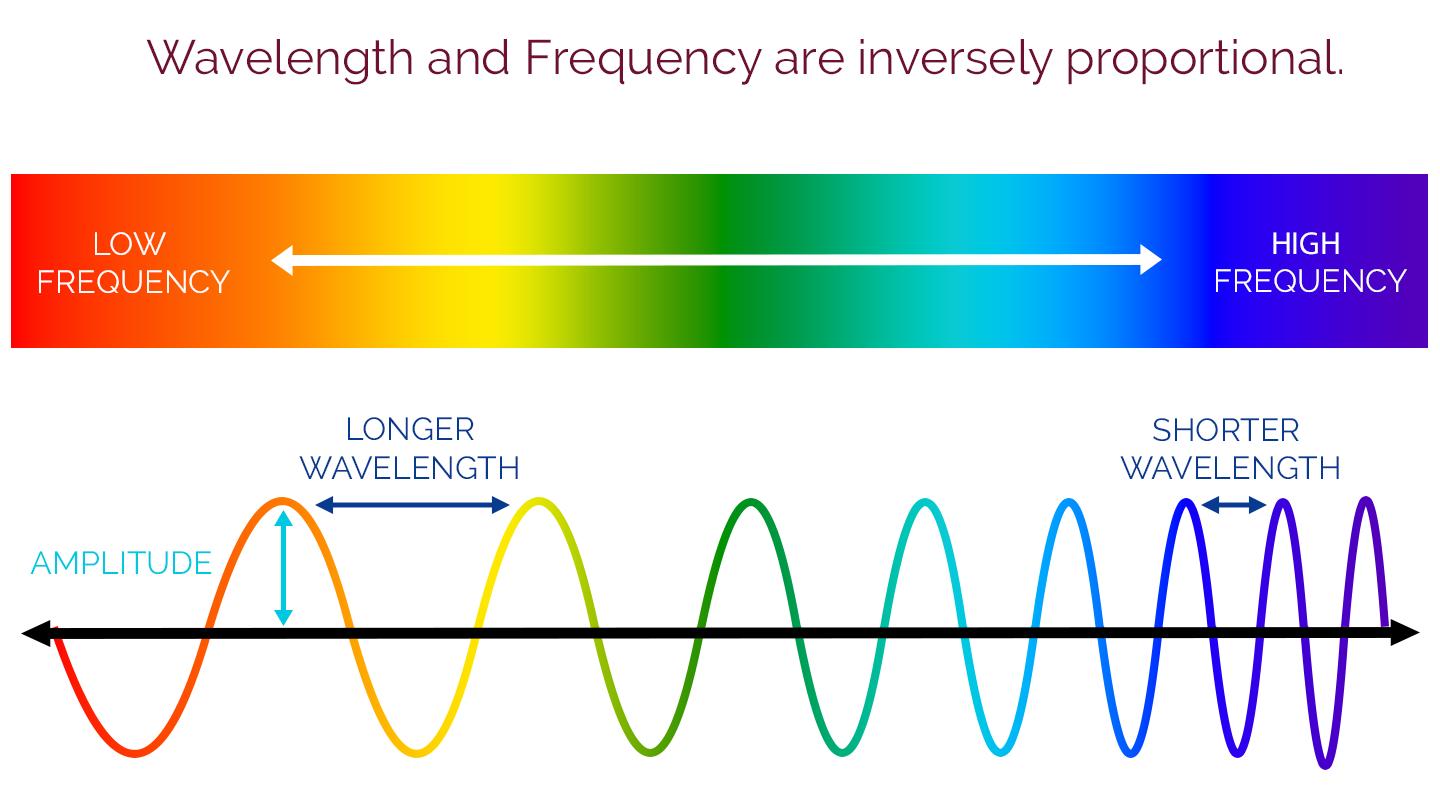
The cavity within a cavity-backed spiral antenna reflects backward radiation forward.
This cavity is placed behind the spiral arms, reflecting backward radiation forward, thus creating a unidirectional pattern. This controls how electromagnetic waves interact with the antenna structure, specifically enhancing radiation efficiency, directivity, and impedance stability at longer wavelengths.
Cavity-backed spirals are generally better suited for airborne applications.
The cavity backing provides more structural stability, adding more protection from physical impact. Additionally, it can act as a shield, protecting the internal components of the spiral antenna from moisture, corrosion, and other harsh environmental factors, making spiral antennas more suitable for airborne applications than standard spirals. For more information, check out our blogs on flight qualification and environmental testing.
Should you choose a cavity-backed spiral over a standard spiral?
While cavity-backed spirals offer advantages over standard spirals, as with all antennas, there are some factors to consider. Comparatively, standard spirals operate over a broader frequency range, making them more ideal for signal monitoring and broadband communications. Conversely, cavity-backed spirals are better for applications demanding higher gain and/or a narrower beam patterns, such as radar or direction-finding, as well as some EW applications. Essentially, the specific requirements of the application, such as bandwidth, gain, and beamwidth, will dictate which type of antenna is more suitable between the two.
There are also some design considerations to make when choosing a cavity-backed spiral over a standard spiral. For one, the design has to include proper cavity dimensions to avoid unwanted resonances and optimize gain. If the proper material isn’t selected for the cavity, the antenna can suffer from reduced efficiency. Also, they can be physically larger and heavier than standard spiral antennas.
JEM Engineering’s hybrid spiral antenna product line features several types of low-profile spirals that operate between 100 MHz to 18GHz. We can modify our existing products to our clients’ spec, as well as the expertise and manufacturing capability to develop custom spiral designs.
In the next post, we will continue our spiral series by introducing phase matched spirals antennas.
Latest Posts

An Abundance of Aircraft Antennas
Home » Media Center » Blog » An Abundance of Aircraft AntennasWhen you look at an aircraft, you...
Which Antennas are Suitable for Sensor Systems?
Sensor antennas play a crucial role in various applications, including environmental monitoring, wireless sensor networks (WSNs), IoT devices, and industrial automation, medical devices, radar and navigation. These antennas come in different types, each designed for specific sensor systems and frequency ranges.

Using RF Technology for Counter-UAS
In this post, we talk more about the security risks that come with unmanned technology, as well as introduce JEM Engineering’s solution for mitigating these risks.

7 Reasons for Enhancing RF Security in a Connected World
In this post, we discuss 7 reasons why bolstering RF security is a crucial element of national security, public safety, and economic stability.
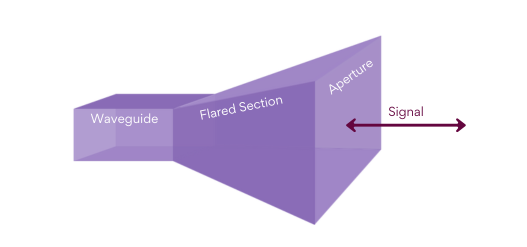
A Closer Look at Horn Antennas
In a previous post, we introduced the history behind the horn antenna. In this post, we talk more about the horn antenna’s design, as well as what makes it so versatile. Horn antennas are named for their horn-like shape and come in a variety of designs.